

People moving to Cedar Park, TX are usually doing one of two things. Either they started looking in Austin, got priced out, and moved north. Or they started in Leander, drove the commute, and moved south. Cedar Park sits exactly in the middle of that trade, which is most of why it works.
Here is what you are actually buying.
The short version
- Cedar Park is largely built out, with established neighborhoods, existing retail and a shorter drive to Austin than Leander.
- You pay a premium per square foot for that, and the housing is mostly resale from the 1990s and 2000s.
- Inspection matters more here than on a new build: roof, HVAC, windows and water heater.
You are buying a finished place
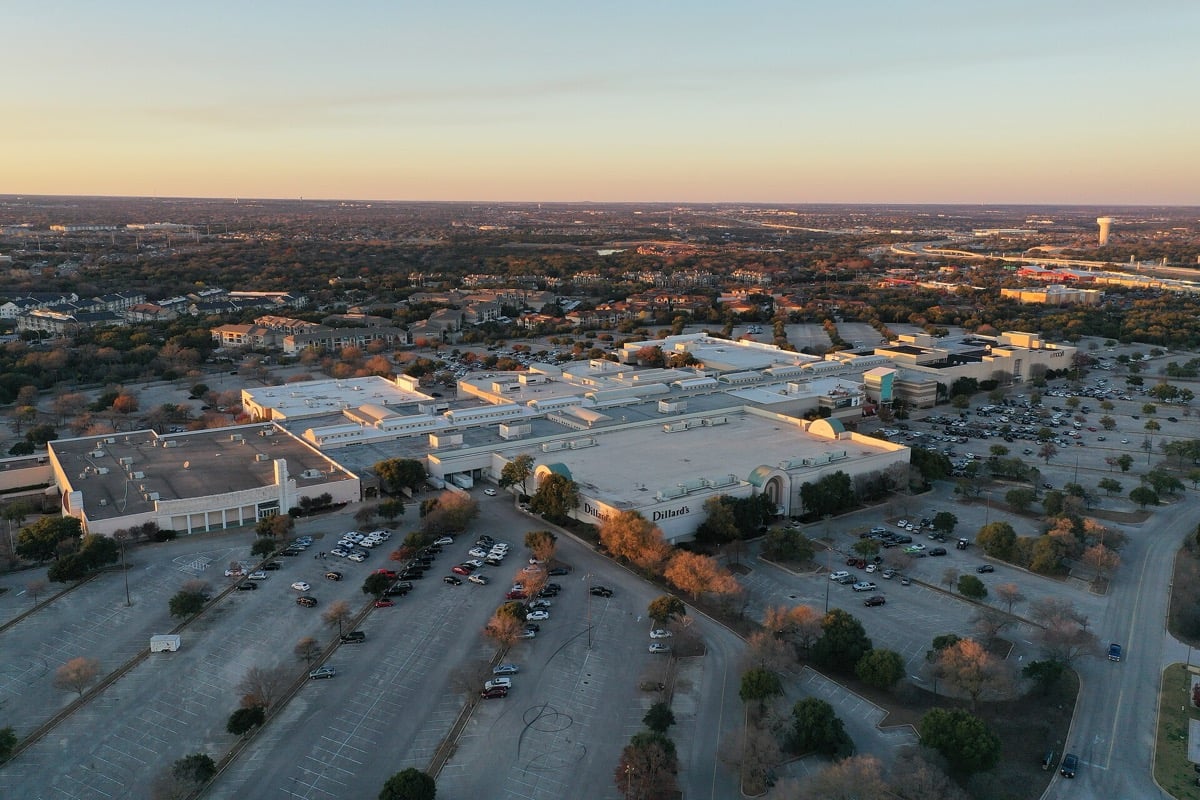
This is the core difference and everything else follows from it. Cedar Park is largely built out. The neighborhoods are established, the trees are grown, the retail is already there, and the roads are mostly done being widened.
Compare that to Leander a few miles north, where a lot of the housing stock is new, the subdivisions are still filling in, and you may be living next to construction for a while. Neither is better. But if you want to move in and have the neighborhood already be what it is going to be, Cedar Park is the answer and you will pay a premium for it.
That premium is real. Broadly, Cedar Park costs more per square foot than Leander. You are paying for a shorter drive and a settled neighborhood, and both of those are worth money.
The commute is the actual product
Cedar Park starts closer to Austin than Leander does, and 183A makes the drive down genuinely workable. If you are in an office downtown, on the west side, or anywhere in the northwest, this is where the math starts to favor Cedar Park hard.
Every mile of that difference gets paid twice a day, every workday, for as long as you own the house. People consistently underestimate how much that compounds.
If you are fully remote, the calculation flips and Leander's price advantage starts to win. I wrote the whole comparison out in Leander vs. Cedar Park, because it is the decision I talk people through most often.
Every mile of that difference gets paid twice a day, every workday, for as long as you own the house.
The housing stock is mostly resale, and that changes what matters
Cedar Park is largely homes from the 1990s and 2000s. That means condition and updates drive price more than anything else. Two identical floor plans built the same year can be far apart in value depending on what the last owner did or did not do.
What this means for you as a buyer: the inspection matters more here than it does on a new build. Roof age, HVAC age, the original windows, whether the water heater is on borrowed time, whether that kitchen was updated well or updated cheaply. A house that shows beautifully can still have twenty thousand dollars of deferred maintenance waiting for you.
It also means there is real opportunity. In a market where condition drives price, a house that shows badly but is structurally sound is frequently the best deal on the street.
Schools
Most of Cedar Park is Leander ISD. A slice of the eastern side sits in Round Rock ISD instead.
That surprises people. If you have your heart set on a particular district, the city name on the listing does not settle it. Verify the attendance zone for the exact address with the district before you get attached, not after. For published school data, use the Texas Education Agency's school report cards at txschools.gov. More on how to do that here.
Cedar Park buyer guide
Taxes, districts, inspections and the offer process for the area are laid out in the Cedar Park, TX home buyer guide.
What Cedar Park has that its neighbors do not
Retail and amenities that already exist rather than being planned. An arena that brings events and hockey. Established parks and trails. A location that puts you within reasonable reach of both the tech corridor and the Hill Country.
Lakeline Station puts rail within reach, though it is not the walkable, organized-around-transit setup that Leander has at the end of the line.
What Cedar Park is not
It is not cheap relative to its neighbors, and it is not where you go for maximum square footage per dollar. If your priority is the biggest house and yard your budget allows, you should be looking north.
It does not have a historic downtown square. Georgetown does. If a real town center is what you are after, that is a reason to look further up I-35.
And it is not a bargain hunt. Cedar Park is a well-understood market with steady demand. You are unlikely to find something nobody else noticed.
When Cedar Park fits
Commuters who are in an office several days a week and want to keep the drive reasonable. Buyers who want an established neighborhood and are willing to pay for it. Buyers who would rather deal with a twenty-year-old house than a construction zone. People who want to be near the Hill Country without living at the edge of the metro.
If that is you, start with the Cedar Park neighborhood guide. If you are still deciding between cities, the five-suburb comparison is the faster way to narrow it.
And if you tell me where you work and what your timeline is, I will tell you honestly whether Cedar Park or somewhere ten minutes away is the better target. That conversation costs you nothing and saves people a lot of wasted weekends.
Keep reading
Questions about this? Talk to Ken.
Call (737) 307-4848 or send Ken a message.
